June ‘26 (and one more from May)
June is an eventful month in the woods of central Vermont. So much happens that an attempt to sum it up makes me accutely aware of how little of the story the fifteen photos below tell. As a naturalist and photographer I am particularly focused on birds and plants, but I am increasingly drawn into the vast world of insects. “The little things that run the world” (E.O. Wilson) are a vast subject, or conglomeration of subjects really. Here I touch on my increasing fascination with lepidopterans, moths and butterflies, and have thrown in a bee for diversity’s sake. I have also included a couple familiar mammals, who I photograph whenever the opportunity arises. That’s plenty of introduction, I think. Let’s look at some pictures!
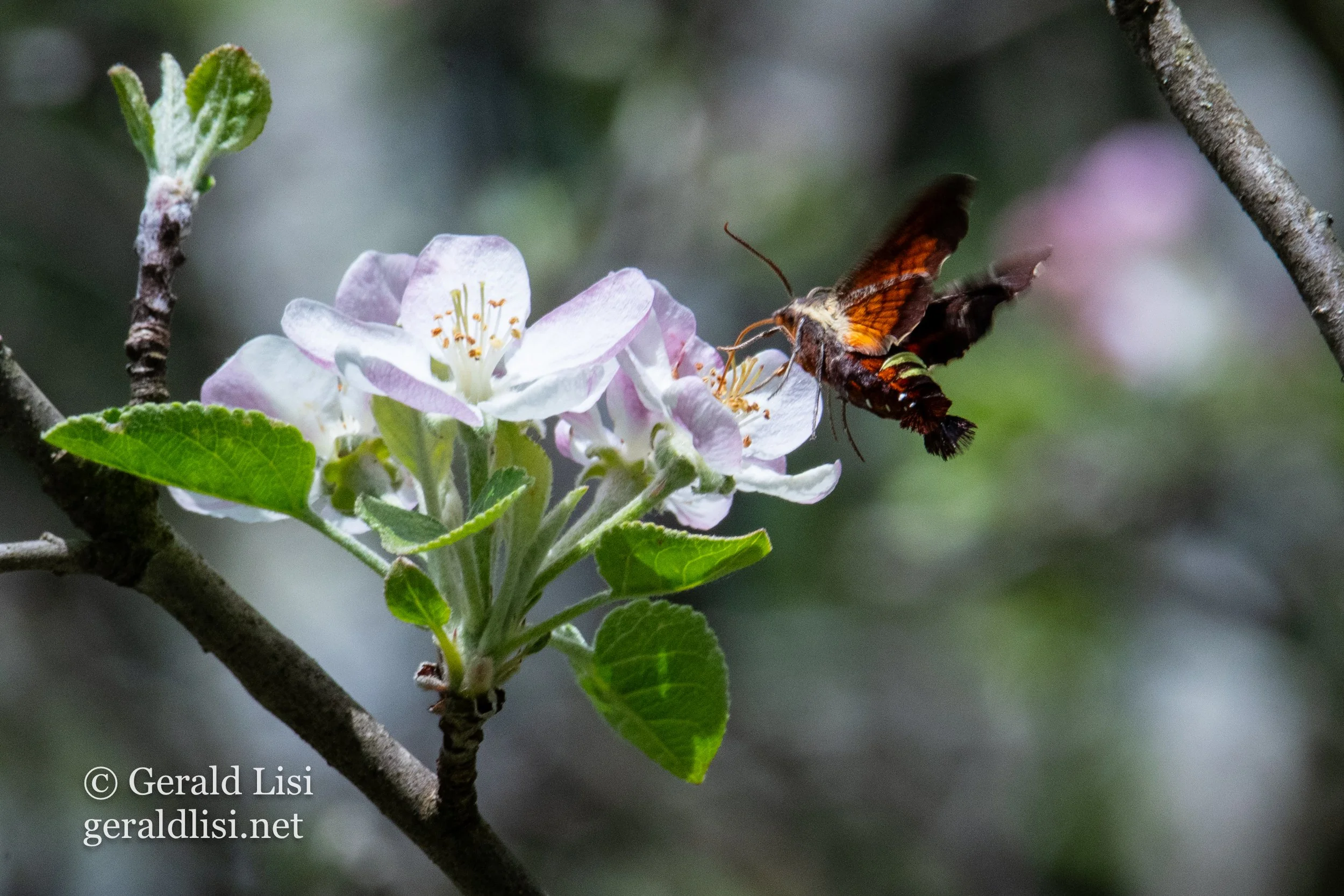
Nessus Sphinx, Amphion floridensis, drinking apple blossom nectar. These diurnal moths are quite a sight, somewhere between a giant bumblebee and an extra small hummingbird. Their larval host plants are Wild Grapes and Virginia Creepers, so stop hating on the native vines and enjoy more of these spring fairies in your yard.
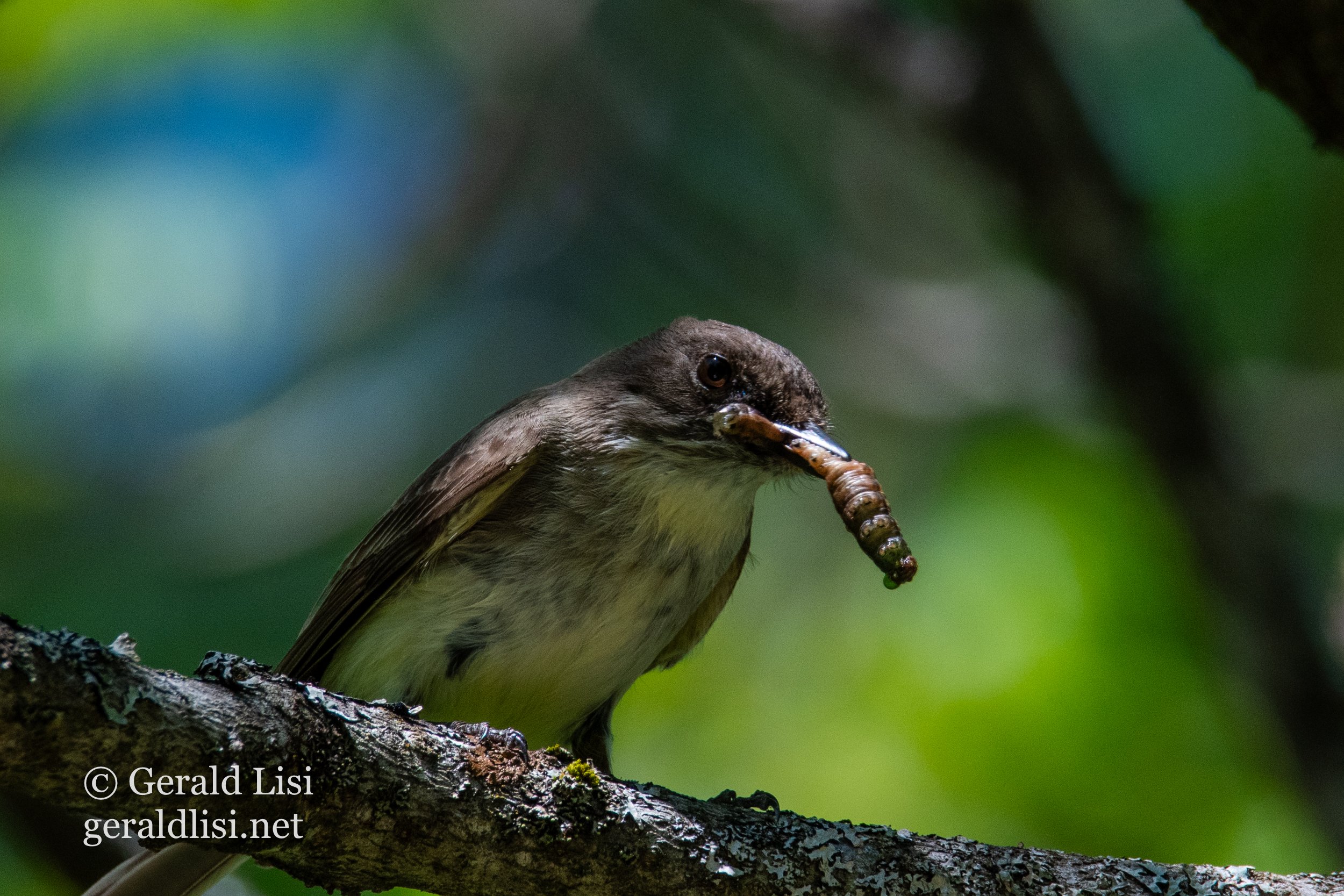
Eastern Phoebes (Sayornis Phoebe) are flycatchers, and thus adept at swooping out from a perch to catch flying insects. But they’ll happily pluck caterpillars off of leaves too, especially when there’s chicks to feed.
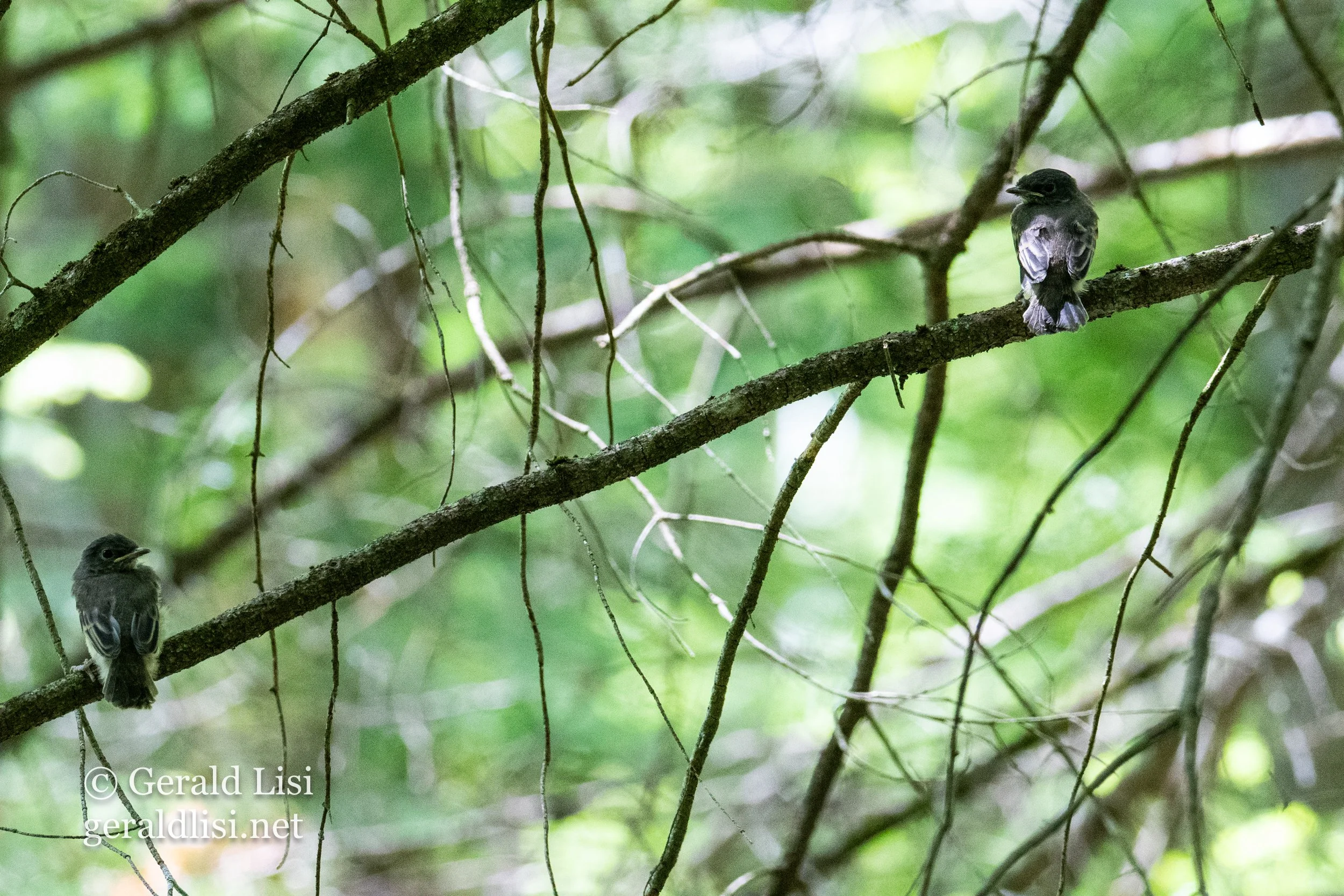
Speaking of chicks to feed, here’s two fledgling Eastern Phoebes waiting for their next food delivery. Both parents hunt all day for weeks to raise their young. Then they start over! Arriving early on their breeding grounds, and flying back south late, enables these flycatchers to raise two broods.
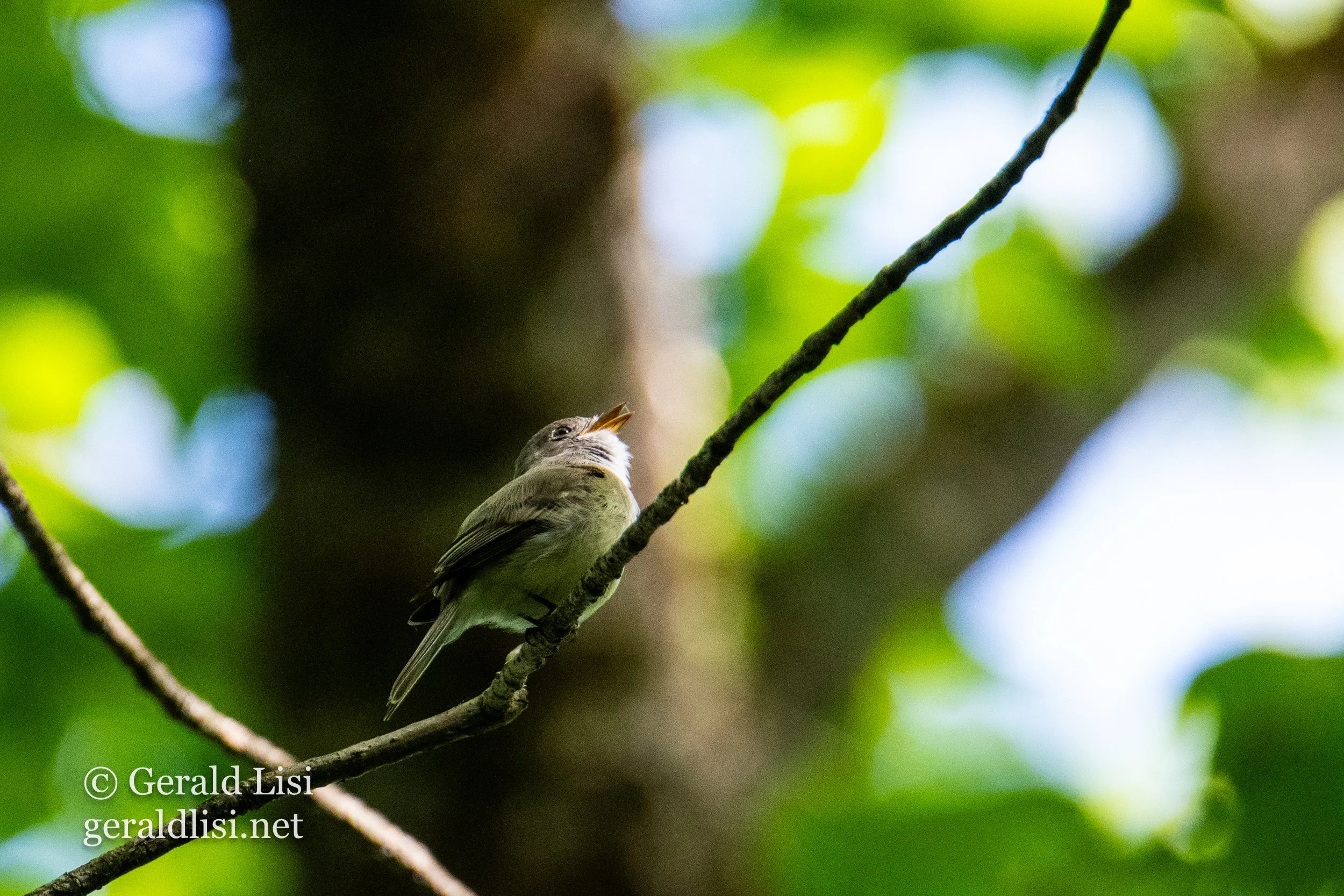
The Least Flycatcher, Empidonax minimus, is the smallest species of the smallest genus of flycatchers, making them the cutest of course. The “che-beck!” (Kenn Kaufman) from above alerted me to this guy’s presence. I followed him from perch to perch taking crappy photos in the deep shade of the forest for at least twenty minutes, until he finally performed in a little sunbeam for this photo.
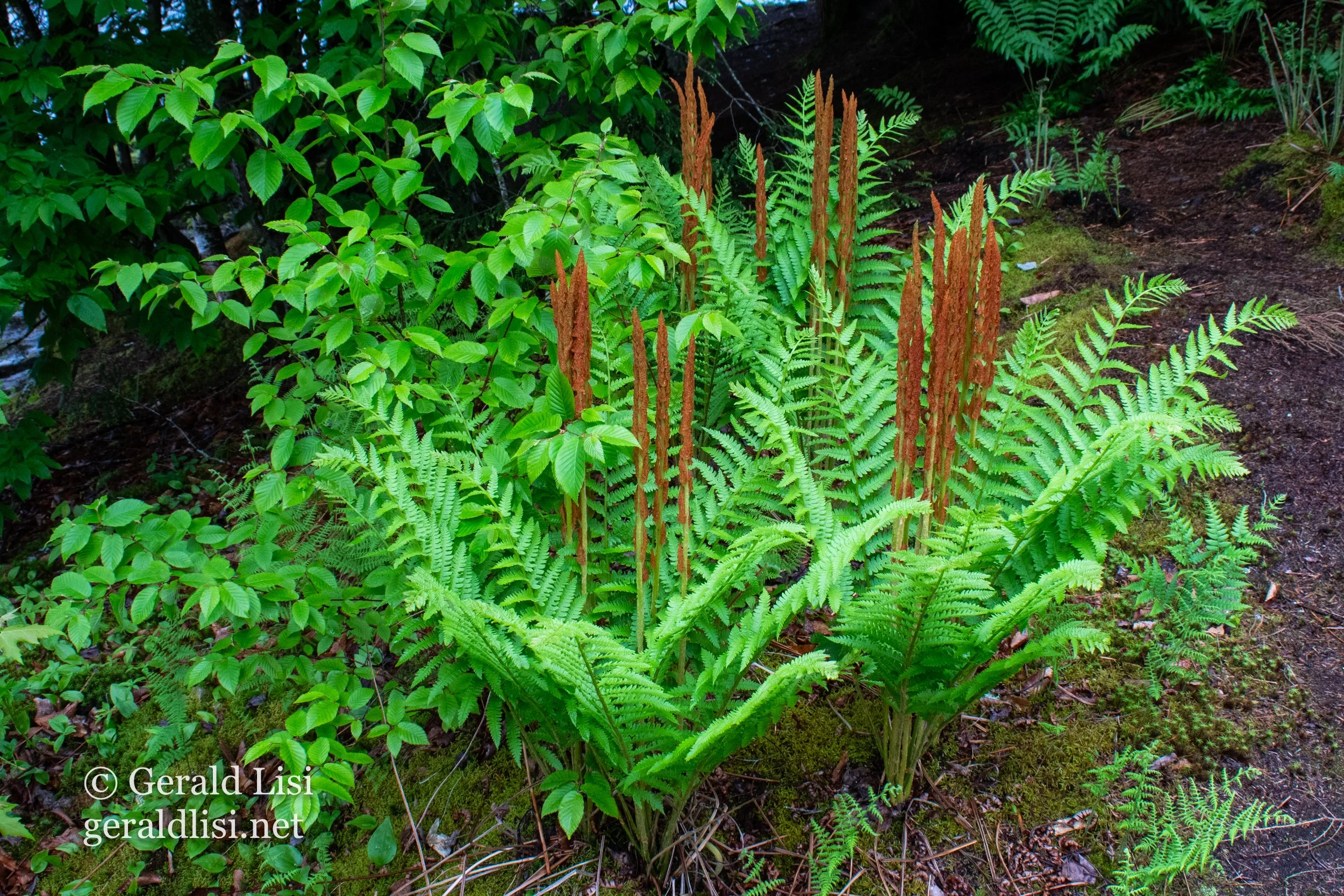
Cinnamon Ferns, Osmundastrum cinnamomeum, are in their full glory in central Vermont by early June. The orange stems in the middle of these plants are the fertile fronds, covered with spore-bearing structures.
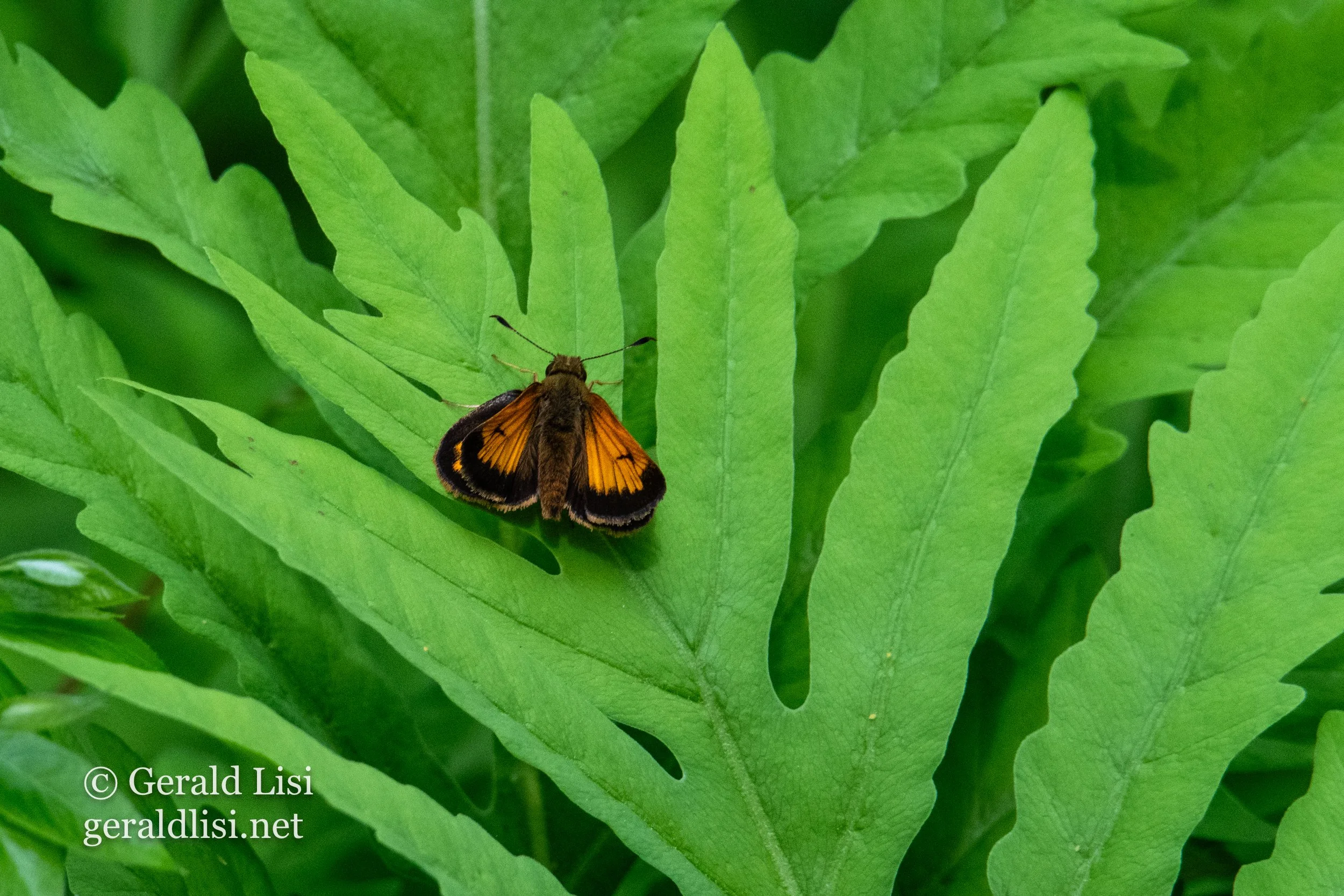
Delaware Skipper, Anatrytone logan, on Sensitive Fern, Onoclea senibilis. Skippers are small butterflies, easily recognized by their habit of resting with their front wings closed onto their hind wings, or held slightly above them. The larval hosts of this species are grasses, as with many other skippers, so you can help them out by letting some grass grow tall.
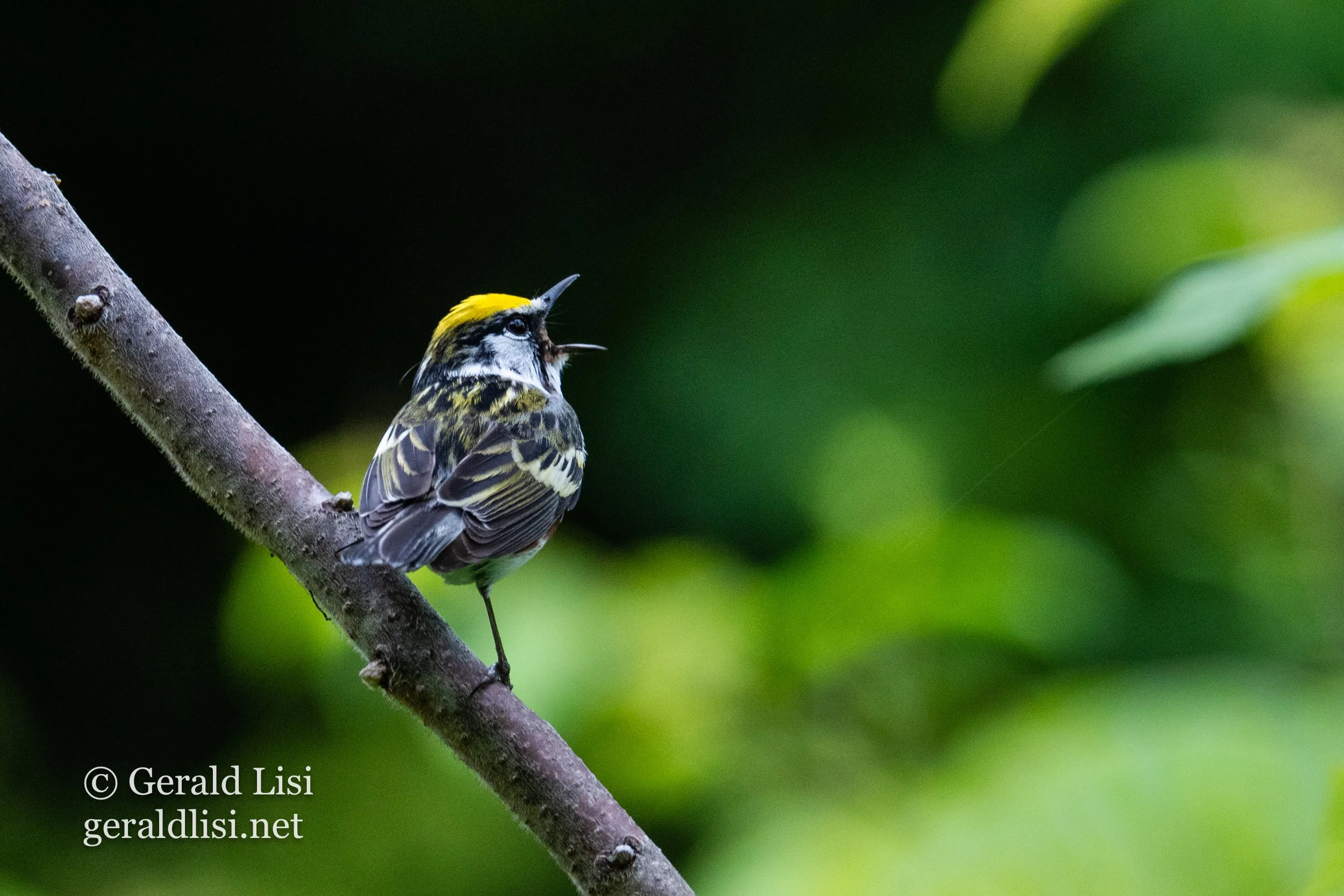
The songs of Chestnut-sided Warblers, Dendroica pensylvanica, are familiar to birders in much of the northeast. They are also more often seen than many other warblers, but getting a good look at one singing is still a treat.
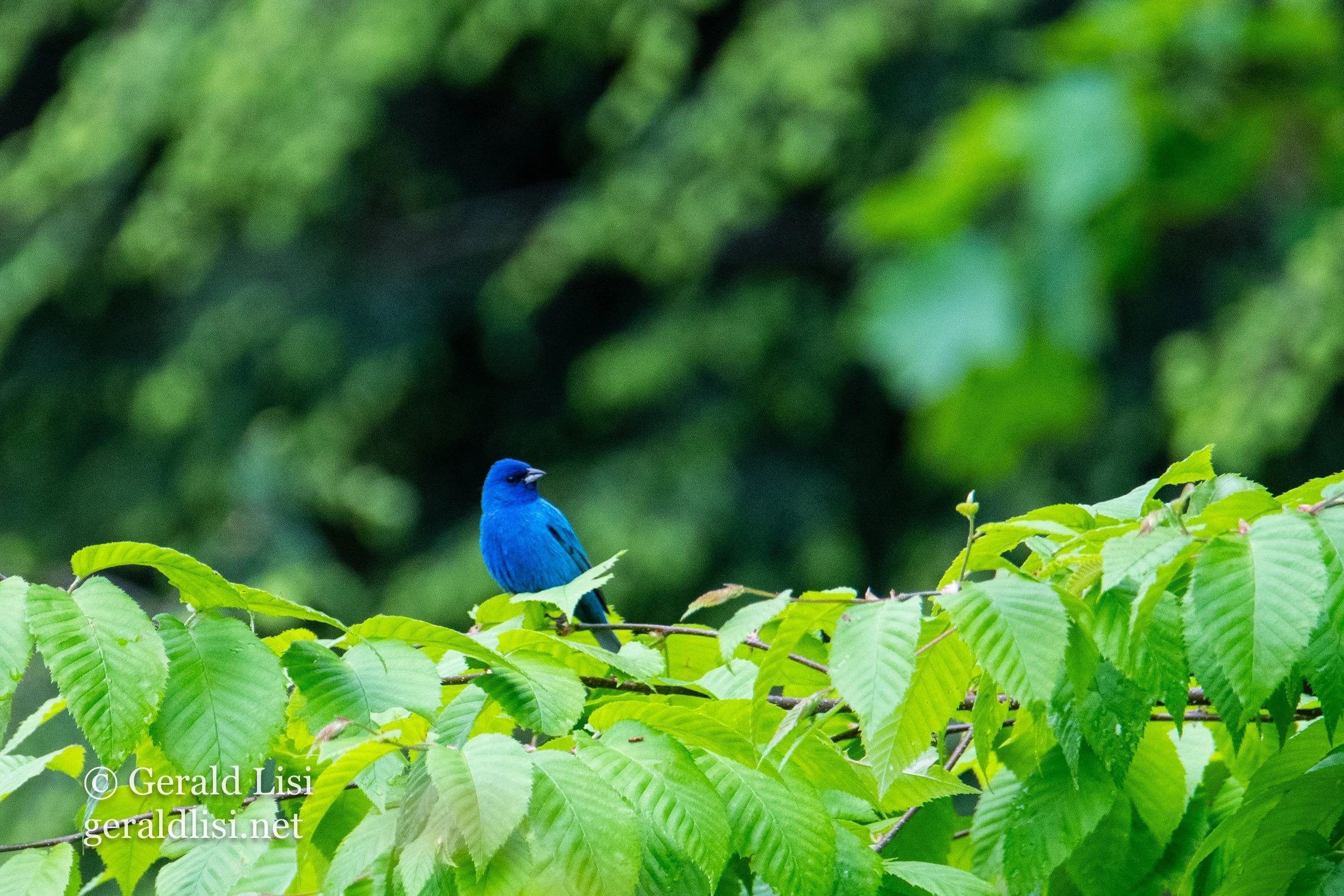
The blue of a male Indigo Bunting, Passerina cyanea, is exquisite. I’ve not managed to get a close up of one yet, but this photo from about thirty feet away is twice as close as I got before.
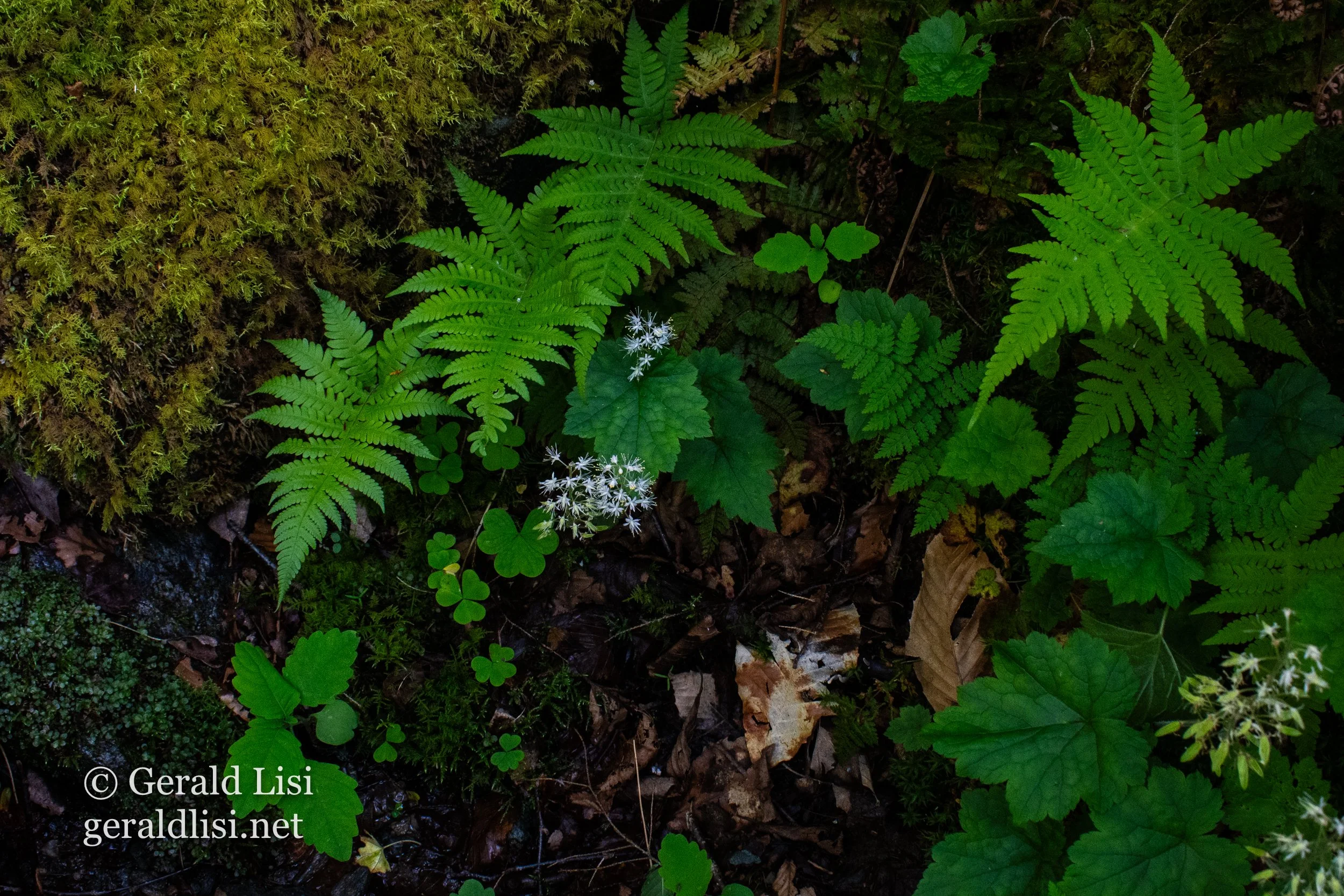
Narrow Beech Fern, Phegopteris connectilis, hold their single frond horizontally, making its distinct shape clear from above. Here we also see Foam Flower, featured in my previous post, forming green seed pods.
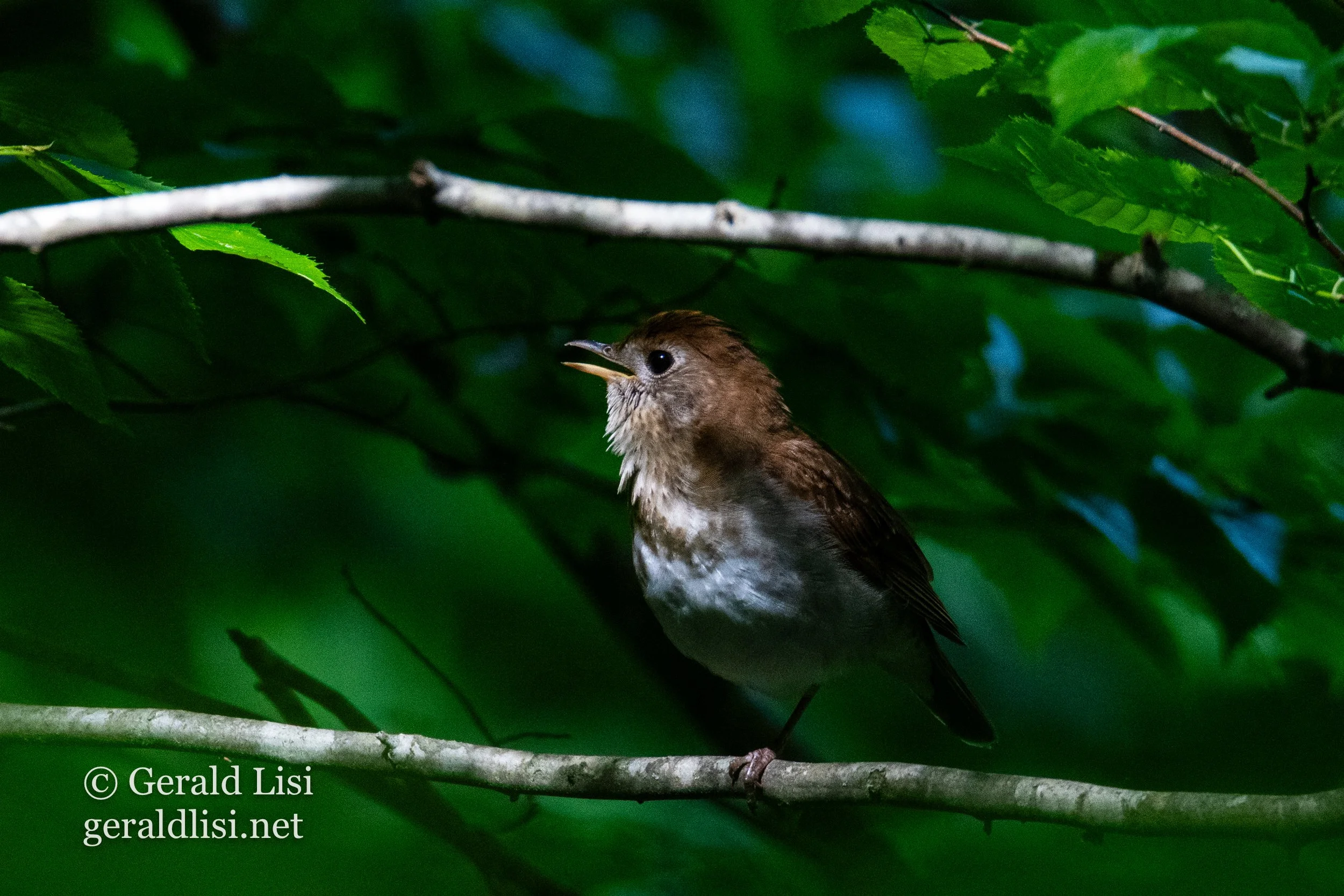
Whilst botanizing one day I flushed this Veery, Catharus fuscescens, from the undergrowth. I was pleasantly surprised when she alighted just twenty feet away and proceeded to call from her perch.
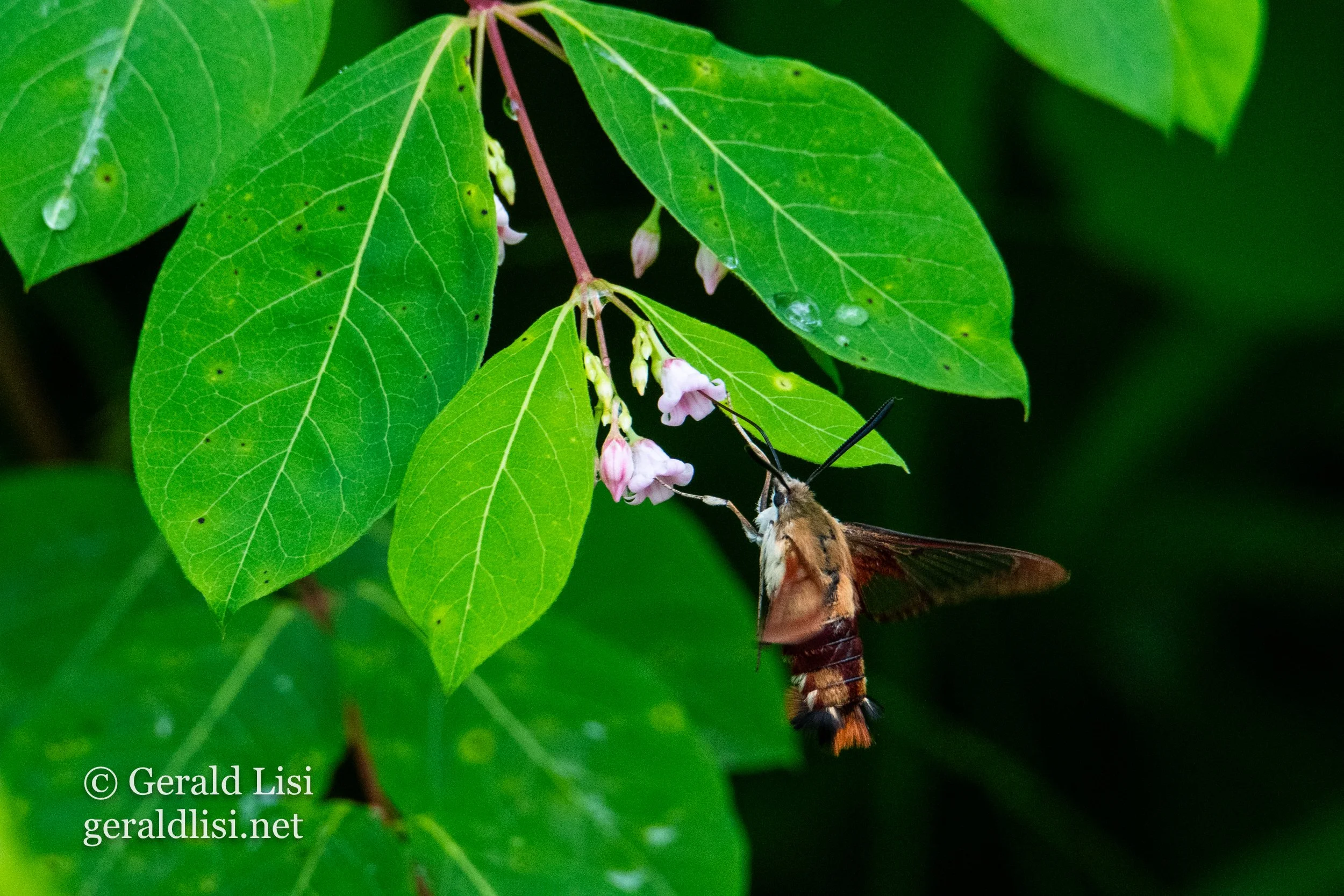
Hummingbird Clearwing, Hemaris thysbe, at Spreading Dogbane, Apocynum androsaemifolium. This is another large, diurnal moth that’s always fun to encounter. Their primary larval host plants are Viburnums, of which we have several native species.
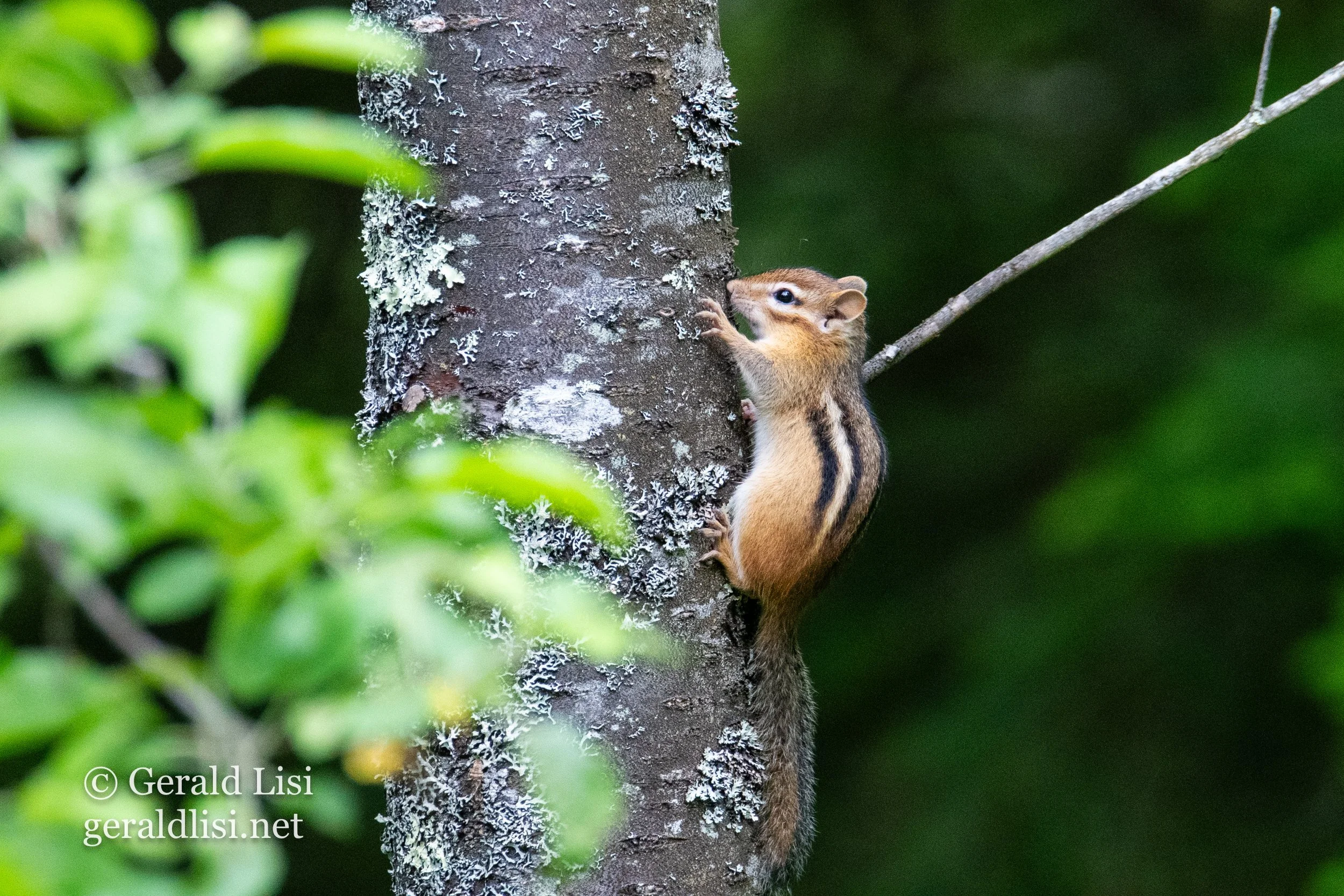
This Eastern Chipmunk, Tamias striatus, has the look of a young adult, which would make him the progeny of the early spring mating of this species.
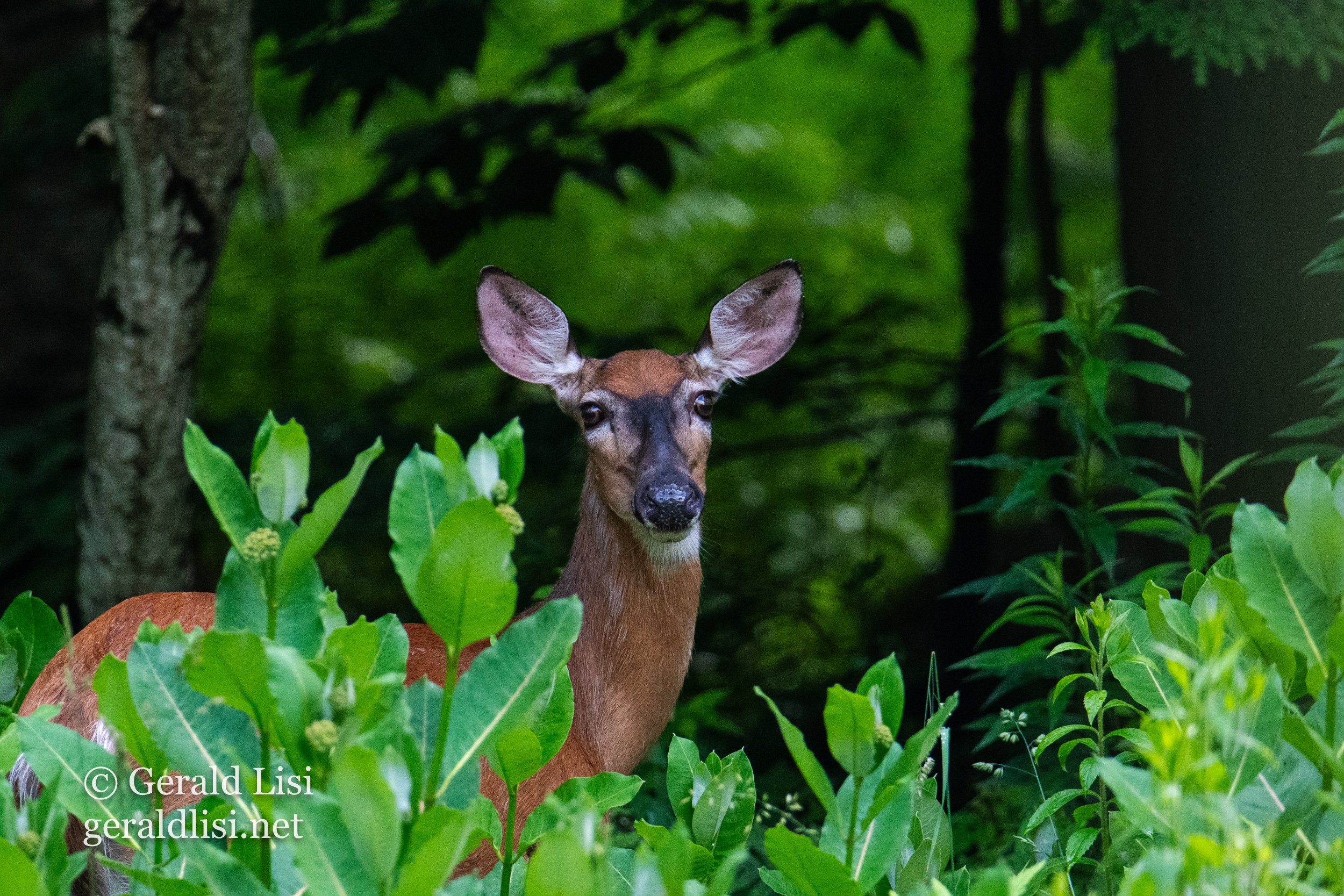
I believe this White-tailed Deer doe, was one of the yearlings I saw in late winter and early spring with here mother. If so she’s on her own now, with her mother busy raising tissues year’s fawns.
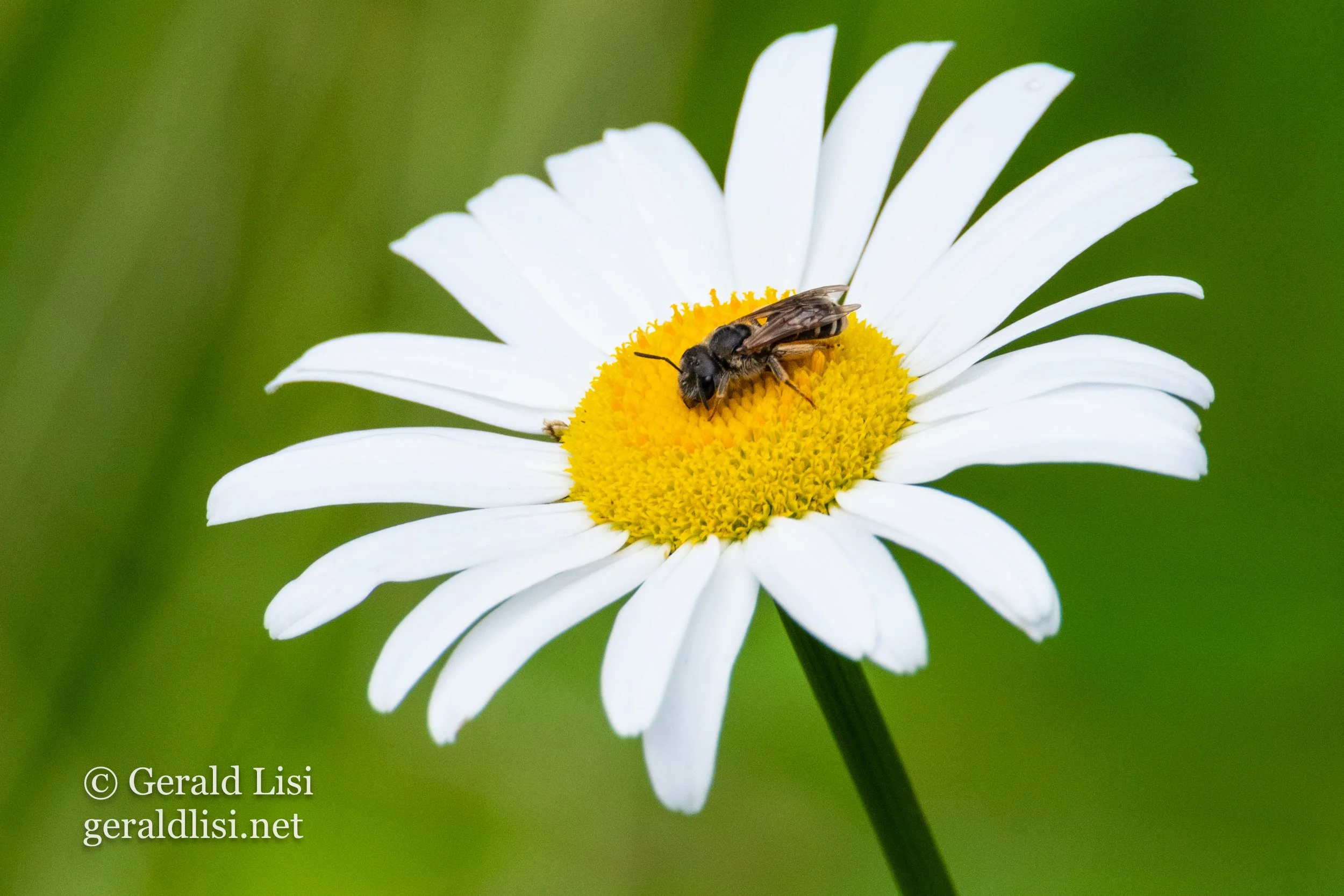
I’m way out of my element when trying to identify bees, but I believe this is a kind of mining bee, Andrena species. Whichever species she is, it is one of 352 documented in Vermont. She is foraging on an Oxeye Daisy, Leucanthemum vulgare, a naturalized species of open ground.
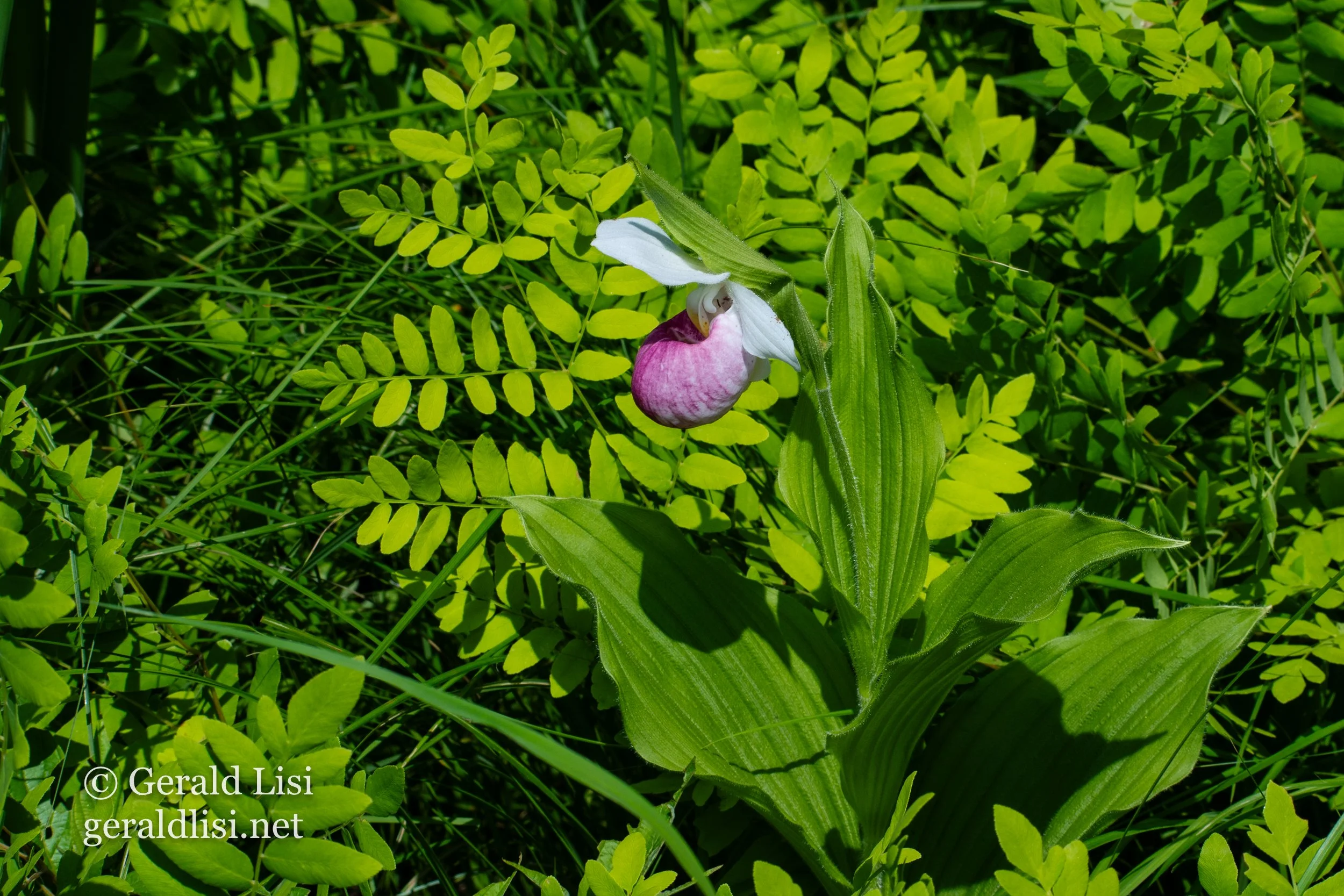
Showy Lady’ Slipper, Cypripedium reginae, is an early-summer blooming orchid of calcareous fens and swamps. I’m glad to report that this individual is part of a population of at least several dozen. Next year I will try to return for better photos, not in the full sun of midday like this one.
That’s a wrap for this edition, folks. Thank you for your time and attention. I hope you found it well spent, and that it inspires you to spend more of it experiencing the more than human world in person. If you’re reading this in an email please consider forwarding it to someone else that might enjoy it. If you’re not a subscriber but would like to be you can sign up here: www.geraldlisi.net Cheers.